
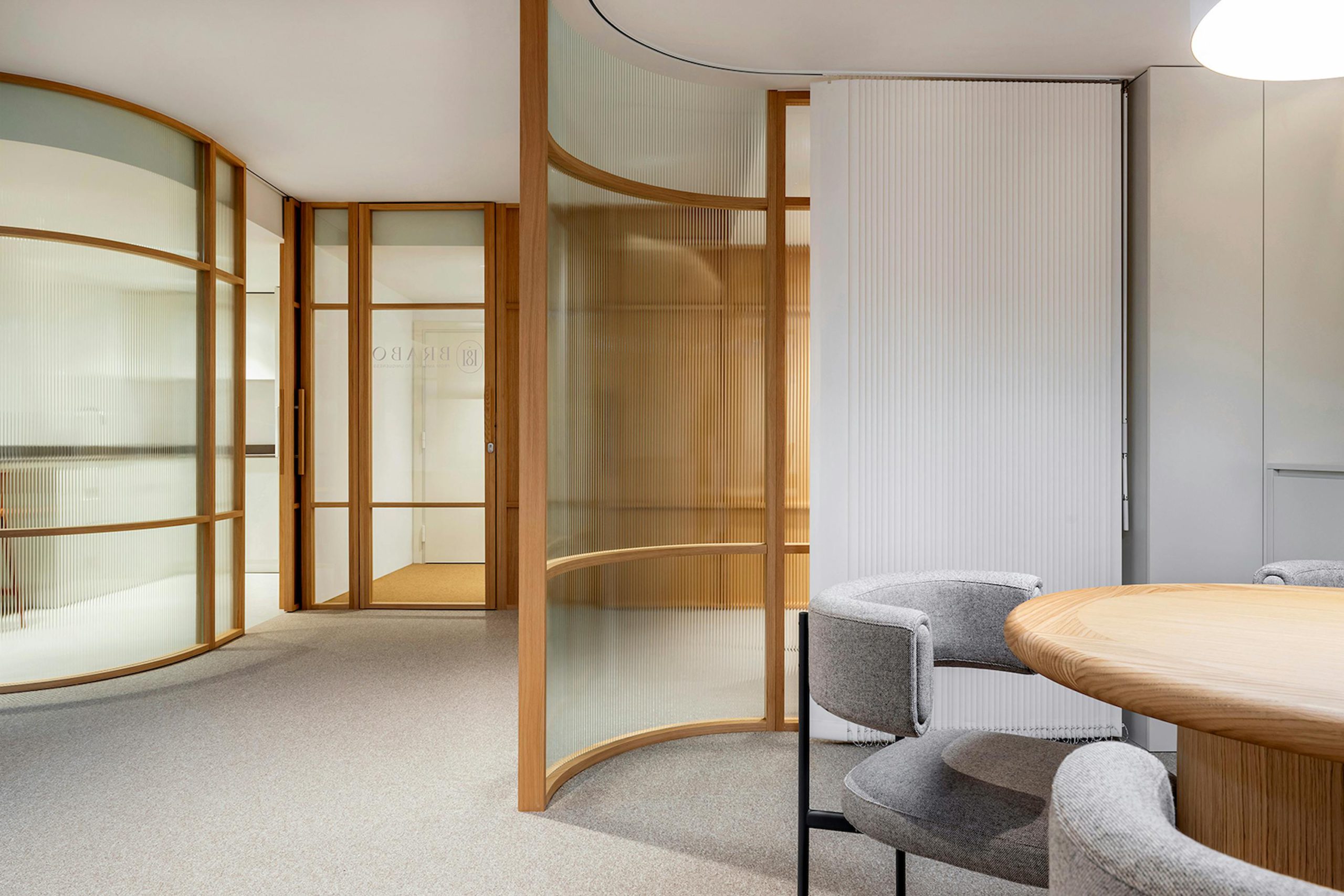
A well designed home is not just about individual rooms but about how those rooms connect. The flow between spaces determines how comfortable and natural a home feels. When transitions are smooth, movement becomes effortless and the entire environment feels unified. Even something as structured as navigating sewayojanportal.org shows how clear pathways and organized systems can make experiences simple and intuitive. The same principle applies to home design, where seamless transitions create harmony.
Understanding The Importance Of Flow
Flow is the invisible thread that connects different areas of a home. Without it, even beautifully designed rooms can feel disconnected. When spaces do not align, movement becomes awkward and the overall experience feels fragmented.
Seamless transitions ensure that each room complements the next. This creates a sense of continuity, allowing the home to feel like a single, cohesive environment rather than a collection of separate spaces.
Visual Continuity Across Spaces
One of the most effective ways to connect spaces is through visual continuity. Using consistent colors, materials, and design elements helps create a unified look.
For example, patterns inspired by royal front hand mehndi design show how intricate details can flow naturally without breaking harmony. Similarly, repeating subtle design elements across rooms creates a connection that feels intentional and balanced.
The Role Of Layout And Structure
The layout of a home plays a crucial role in how spaces connect. Open floor plans, aligned doorways, and well placed furniture can enhance the natural flow between areas.
Transitions should feel intuitive. Moving from one room to another should not require effort or adjustment. When the layout supports easy movement, it improves both functionality and comfort.
Creating Smooth Physical Transitions
Physical transitions, such as flooring changes or doorway designs, should be handled carefully. Abrupt changes can disrupt the flow, while gradual transitions maintain continuity.
For instance, moving from hardwood flooring to tiles can be softened with transitional strips or matching tones. The goal is to make these changes feel natural rather than noticeable.
Balancing Open And Defined Spaces
While open spaces create a sense of freedom, defined areas provide structure. The key is to balance both. Using subtle dividers, rugs, or furniture placement can define spaces without breaking the flow.
This balance allows each area to serve its purpose while still feeling connected to the rest of the home. It creates a dynamic environment that is both functional and visually appealing.
Precision In Design Details
Seamless transitions require attention to detail. Small elements, such as Lighting, textures, and finishes, play a significant role in connecting spaces.
Activities like the Draw A Perfect Circle Game highlight the importance of precision and consistency. In design, similar precision ensures that every element aligns perfectly, creating a smooth and cohesive experience.
Incorporating Functional Transitions
Transitions are not just visual. They also need to support functionality. Storage solutions, built in features, and multipurpose furniture can help connect spaces while improving usability.
For example, a storage unit that separates a living area from a dining space can act as both a divider and a functional element. This approach enhances practicality without compromising flow.
Using Light To Connect Spaces
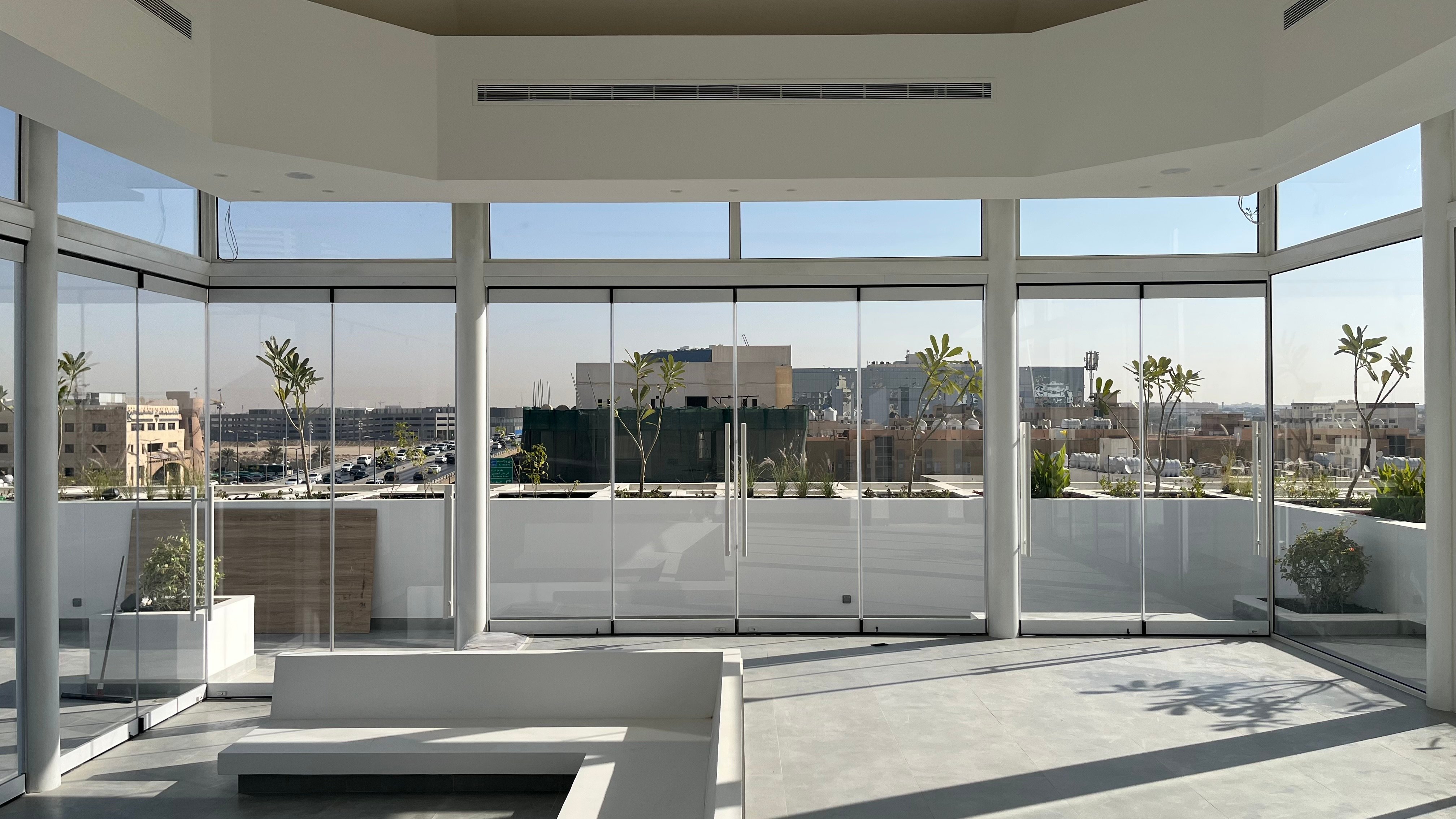
Lighting is a powerful tool for creating seamless transitions. Consistent lighting styles and levels help unify different areas. Natural light, in particular, can connect spaces by creating a continuous visual path.
Websites like anfieldedition.net demonstrate how consistent presentation enhances user experience. Similarly, consistent lighting design creates a smooth transition between rooms, making the home feel cohesive.
Technology And Modern Transitions
Modern homes often use technology to enhance transitions. Smart lighting, automated systems, and integrated appliances can create a seamless experience.
Platforms like https://sfmcompileclub.net reflect how digital systems can streamline processes. In home design, technology can simplify transitions by making spaces more responsive and adaptable.
Creating Emotional Connection Through Flow
Seamless transitions are not just about design. They also influence how a space feels. A home with smooth connections creates a sense of calm and comfort. It allows you to move freely without disruption.
When spaces are connected thoughtfully, they support both physical movement and emotional well being. This connection makes the home feel more inviting and livable.
Conclusion
Transitions that connect spaces seamlessly are essential for creating a harmonious home. They ensure that each room flows naturally into the next, enhancing both functionality and aesthetics. From visual continuity and precise details to lighting and technology, every element contributes to a unified environment. When transitions are designed thoughtfully, they transform a house into a space that feels balanced, comfortable, and effortlessly connected.

Henry is a passionate researcher focused on water quality, filtration, and healthy living.He writes to help readers make informed choices about clean and alkaline water.